
An access control system is a security solution designed to regulate and manage access to physical or digital spaces. These systems are widely used in various environments, such as buildings, data centers, and computer networks, to ensure only authorized individuals or entities gain entry. Here are the key components and functions of access control systems:

Key Components of Access Control Systems:
Access Control Panel: This central component manages and controls access to secured areas. It typically includes a database of authorized users, rules, and access policies.
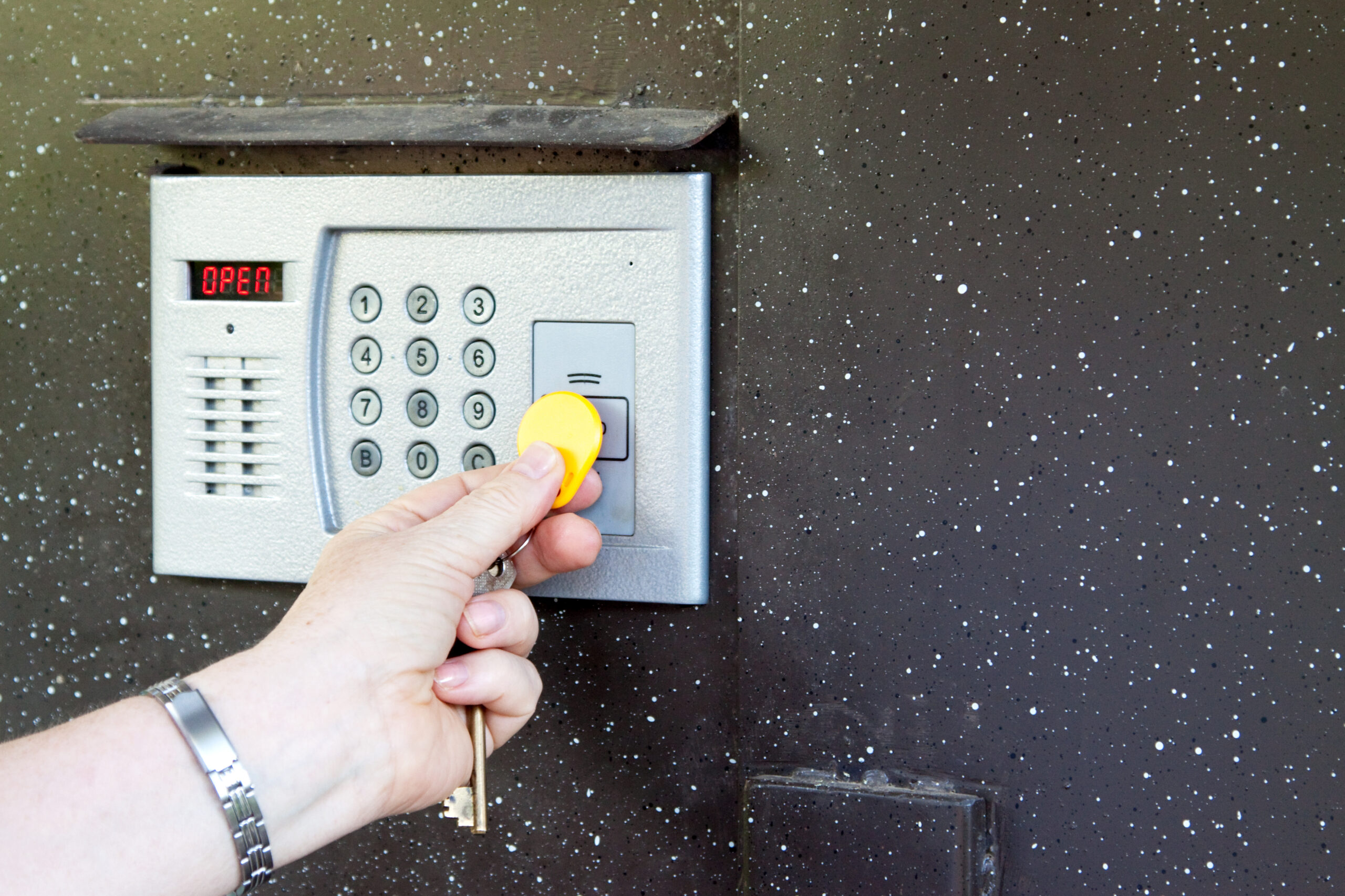
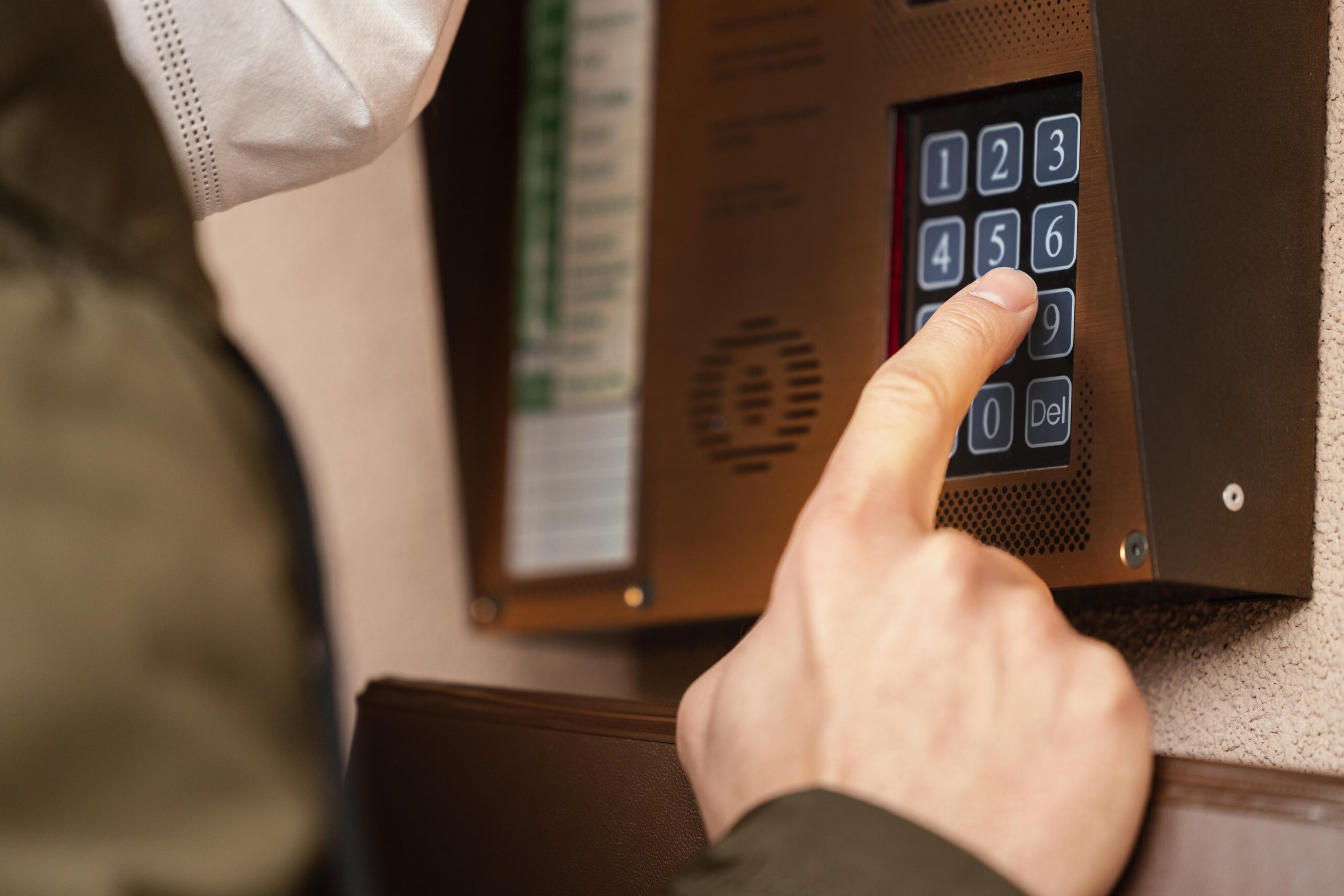
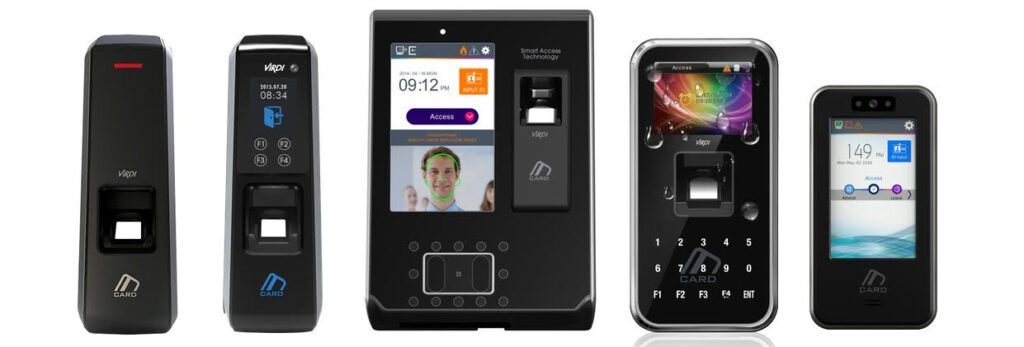
Access Control Readers: These devices, including card readers, biometric scanners, or PIN pads, are placed at entry points to verify the identity of individuals seeking access.
Credentials: Users are provided with credentials, such as access cards, key fobs, PINs, or biometric data (fingerprints, retina scans), which are used to gain access.
Access Control Software: Software is used to configure access control rules, maintain user databases, and generate reports on access activity.
Door Locks and Electric Strikes: Physical mechanisms that lock and unlock doors or gates, controlled by the access control system.
Access Control Server: This component stores user data and access policies and manages communication between the control panel and readers.
Access Control Database: A database that stores user profiles, access rules, and access logs.
Functions of Access Control Systems:
User Authentication: Access control systems verify the identity of individuals seeking access, ensuring that only authorized personnel can enter.
Authorization: The system checks if the authenticated user has permission to enter a specific area or use certain resources.
Centralized Control: These systems are managed from a centralized location, making it easy to modify access rights or restrict access in real-time.
Audit Trails: Access control systems log all access events, providing a historical record of who entered, where, and when.
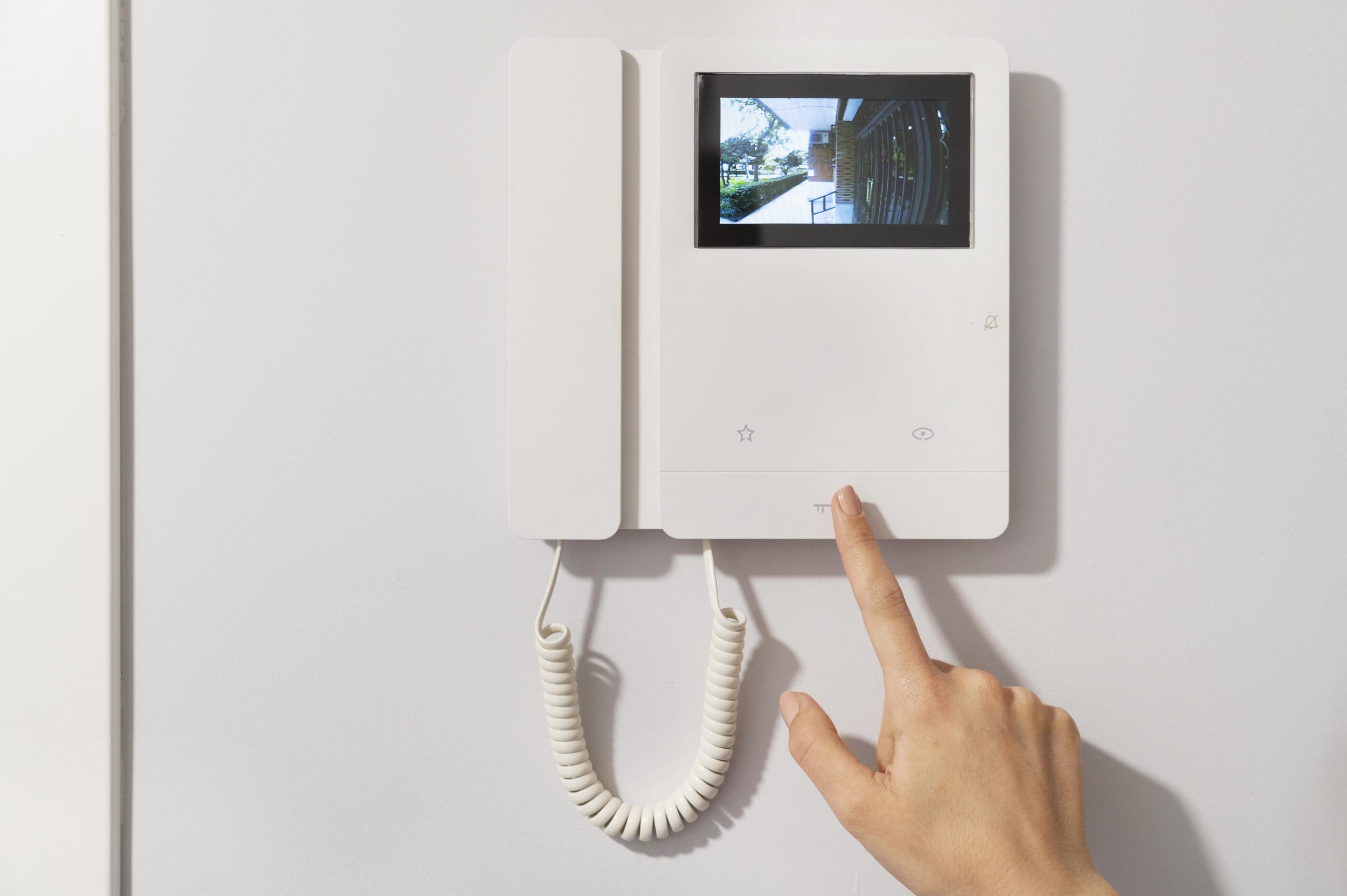
Integration: Access control systems can integrate with other security solutions, such as surveillance cameras and alarms, for enhanced security and monitoring.
Remote Access: Some systems allow administrators to manage access remotely, which is especially valuable for large organizations with multiple locations.
Time-Based Access: Access rights can be configured to allow access only during specific hours or days, enhancing security and flexibility.
Emergency Lockdown: In the event of an emergency, the system can initiate a lockdown, securing all entry points and restricting access.
Visitor Management: Access control systems can be used to manage and track visitors, providing temporary access as needed.
Our Access Control System Products
Paxton
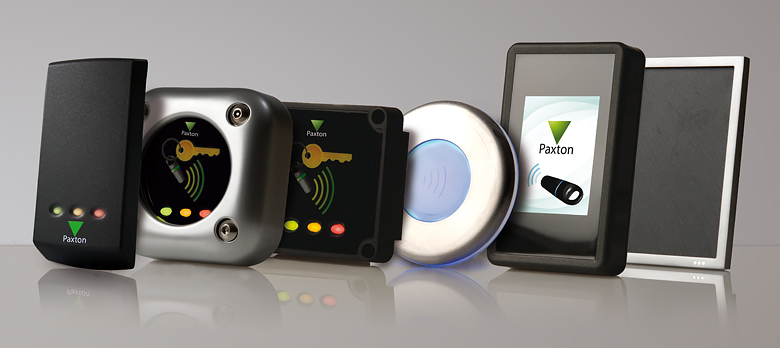
Our networked access control system, Net2, is
administered using one or more PCs and can be monitored and managed from a central location. Our door controllers come as wired, wireless or battery powered
IDEMIA
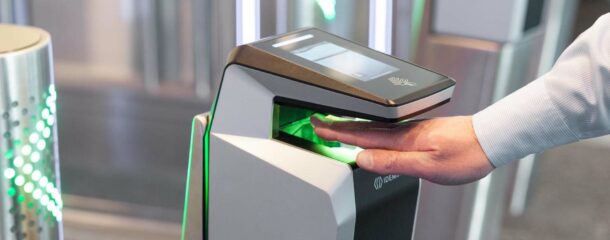
Engineered with the same attention to detail and performance as their predecessor, the MorphoAccess®
SIGMA Lite terminals are specifically designed to equip
narrow mounting surfaces, such as glass/aluminum door mullions, turnstiles, or server rack doors.
With two designs and multiple card reader options, there are a variety of models to address the widest range of deployment scenarios, both indoors and outdoors.
Virdi
ZKTeco
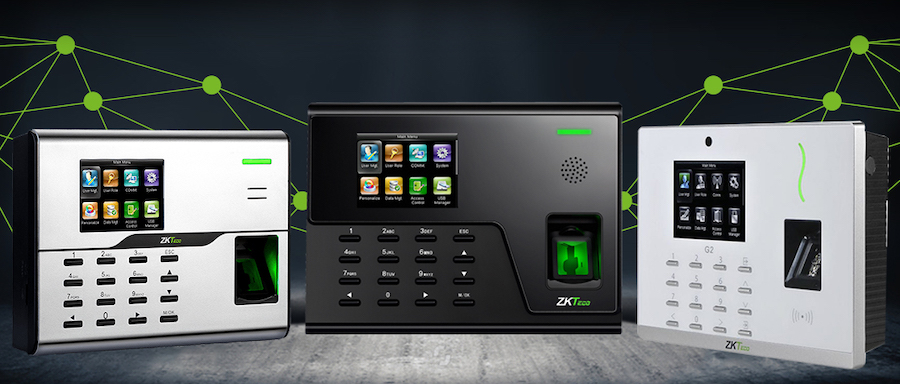
ZKTeco’ s Access Control Product line is comprised of IP based standalone
access control devices, networked access control panels, readers, guard
patrol solutions and accessories with network based one-seat software.